What Is The Journal Entry For Investment In Subsidiary?
These modifications in value must be recorded appropriately within the father or mother company’s financial statements. Underneath the fairness technique, the parent company’s funding account is adjusted each interval to replicate the share of the subsidiary’s web revenue or loss. For occasion, if the subsidiary stories a profit, the father or mother company’s funding account is increased by its proportionate share of that profit.
It is the subsidiary of Apple, which is an organization concentrate on hardware, software program, and on-line service. Ariel Eiberman is the advertising lead at Cryptoworth, a number one crypto accounting software that helps web3 accountants speed up month-end closing. He has greater than 6 years of expertise in product advertising for software corporations and a background of organizing olympic video games and polyglot meetups in a quantity of cities. Understanding these distinctions is significant for accurate accounting and regulatory compliance. Suppose, Guide Ltd acquires 60% shares in Paper Ltd within the month of April 20×1 in opposition to consideration of 5,000,000. In this case, greater than 50% stake has been acquired by E-book Ltd in the entity Paper Ltd.
Consolidation turns into more intricate with each new subsidiary, but the rules of journal entries remain consistent. It’s crucial that these transactions be eradicated during consolidation to keep away from inflating the revenue and expense figures. For example, if Company A sells goods to Company B, the sale should be faraway from the consolidated income assertion, as it represents a transaction between the same economic group. An unconsolidated subsidiary is handled as an funding on a parent company’s financial statements, not a half of consolidated financial statements. Monetary statements are written information that convey the business activities and the monetary performance of an organization. Subsidiary consolidation entails reporting the subsidiary’s balances in a combined statement along with the father or mother company’s balances.
- Subsequently, the carrying quantity of the investment is adjusted to acknowledge the father or mother company’s share of the subsidiary’s income or losses, that are reported in the investor’s income statement.
- The mother or father might own more than 50% however doesn’t have control due to the type of share they personal.
- Under this technique, the parent company combines its financial statements with those of the subsidiary, presenting them as a single economic entity.
By creating journal entries that appropriately characterize the funding, the parent firm can keep away from errors and discrepancies in its monetary reporting. Moreover, these entries help in the means of consolidation, where the financial statements of the parent and subsidiary are combined. Without accurate journal entries, the consolidated monetary statements won’t actually mirror the financial standing of the mother or father firm or the group as an entire. When a father or mother firm acquires a stake in a subsidiary, the initial funding have to be recorded accurately to replicate the transaction’s true financial impact. This process begins with figuring out the acquisition value, which includes not solely the cash paid but also any other forms of consideration, corresponding to shares issued or liabilities assumed. The total buy price is then allotted to the various assets and liabilities of the subsidiary primarily based on their fair values on the acquisition date.

The consolidated method is often preferred over the equity methodology if the percentage the mother or father company owns is on the higher facet (more than 50%, or if it controls the subsidiary). Intercompany eliminations present monetary results without transactions between subsidiaries. Basically, intercompany elimination ensures that there are only third celebration transactions represented in consolidated monetary statements. Understanding the methods used to account for subsidiary investments is important for accurate financial statements and knowledgeable decision-making by stakeholders. This methodology ensures that the mother or father company reflects its proportionate share of the subsidiary’s monetary performance. The fairness method is accounting for funding when the parent firm holds significant influence over the investee however not totally control.
The mother or father firm has made an fairness investment in this subsidiary, and it’s essential to accurately document the monetary transactions between them. This is the place understanding subsidiary accounting entries for investments becomes essential. In this journal entry, total property on the steadiness sheet enhance by $40,000 while whole revenues on the earnings assertion improve by the same amount because of the $50,000 net earnings earned by our subsidiary XYZ. And the steadiness of investment in subsidiary account will increase by $40,000 as of June 30. In this journal entry, the stability of funding in subsidiary account might be reduced by the quantity of money dividend received.
How A Lot Capital Do I Must Start?
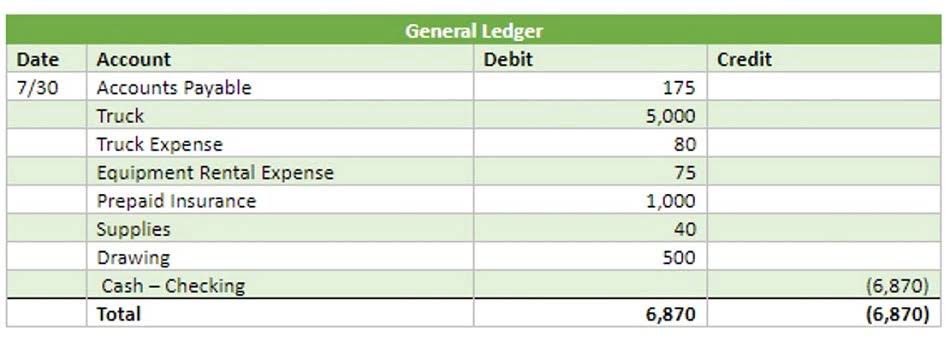
Properly managing and eliminating these transactions in consolidated financial statements is crucial to avoid inflating the financial results of the group. When an organization purchases an investment, it is recorded as a debit to the suitable investment account (an asset), offset with a credit to the account representing the consideration (e.g., cash) given in trade for the asset. The adjustments in worth, or “income” from an investment are accounted for in a myriad of different methods, lots of which depend upon what sort of funding it is.
Subsidiary Accounting Entries For Investments An In Depth Information
If you personal a small business, you might choose to make use of the fairness method even within the event of 100% control over the subsidiary if consolidated financial statements usually are not necessary. But before we start getting ahead of ourselves, let’s go over what the variations are between the equity methodology and the consolidated methodology. Investments in subsidiaries characterize one of the most vital areas in monetary accounting and reporting. These investments are not investment in subsidiary journal entry simply monetary instruments—they symbolize management, the ability of one firm to direct the actions of one other. Correct accounting for these investments requires a clear distinction between separate financial statements and consolidated financial statements, and a agency grasp of recognition, measurement, and disclosure requirements. If Firm B later distributes dividends to its shareholders, Company A will want to account for the dividend revenue appropriately.

For consolidated financial statements, subsequent measurement entails eliminating intercompany transactions and balances to present the father or mother and subsidiary as a single financial entity. This process includes eliminating intercompany sales, loans, and different transactions that might distort the monetary statements. Moreover, any unrealized profits or losses from intercompany transactions should be https://www.bookkeeping-reviews.com/ eliminated to avoid double counting. The parent firm should additionally account for any modifications within the subsidiary’s equity, such as issuing new shares or repurchasing present ones, which may have an effect on the possession share and the consolidation course of.
This article will concentrate on the accounting therapy of intangible investments, particularly fairness securities. When a father or mother company owns a quantity of subsidiaries, it turns into important to manage journal entries for each investment separately. This could be a complex process involving multiple accounts for each subsidiary’s funding, revenue, and fairness positions.